AC Repair in Kansas City MO: Restoring Cooling After Power Outages
Kansas City summers have a way of testing every weak link in a home. You can ride out an average heat wave with decent airflow and a clean filter, sure. But when the power goes out during a storm and comes back with a thump, that’s when air conditioning problems tend to show up fast.
Sometimes the unit runs, but it never really cools. Sometimes it won’t start at all. Other times it turns on for a minute, then shuts down, sometimes with a faint burning smell you can’t quite ignore. After outages, the most common issue is not “mystery damage” in the abstract, it’s the specific chain of electrical events that follows a sudden restart, plus any brief loss of power that can scramble safety protections.
If you need AC repair in Kansas City https://www.google.com/search?kgmid=/g/11g2szs6h5 MO or you’re weighing HVAC repair in Kansas City MO options after a blackout, the goal is the same: get the system back to stable cooling without guessing. The difference is whether you approach it like a troubleshooting job or like you’re hoping the thermostat will fix everything by itself.
What power outages actually do to an air conditioner
An outdoor unit is built to run on steady electrical conditions, with sensors and controls that assume the power supply will be consistent. When the grid drops out and returns, several things can happen in a single cycle.
First, the system’s control board and relays may reset. That’s normal. The problem is that many AC faults don’t announce themselves immediately. A control board can reboot, the compressor can attempt to start, and then a protective safety shuts it down because it detected something that doesn’t match expected behavior.
Second, outages can create voltage irregularities. Even if the lights come back on cleanly, the incoming power may surge, dip, or fluctuate as the grid stabilizes. Components that handle motor start-up loads, especially the capacitor(s) and contactor, can show weakness after repeated stress. A capacitor might still work, but it may no longer provide the right starting torque for the compressor or the outdoor fan.
Third, the system can get stuck in an “I tried to restart” loop. Many units wait a few minutes before allowing a compressor restart to prevent damage. If power came back at an odd moment, you can end up with a restart timing issue, especially if thermostat signals or wiring connections are already borderline.
From a homeowner’s perspective, these effects show up as symptoms. You might hear a hum but no fan motion. You might feel weak airflow from vents even though the thermostat is calling for cooling. You might have warm air that slowly warms up again, as if the system is running but not moving heat the way it should.
After outages, the practical takeaway is this: don’t assume the problem is gone because the house cools for a minute or two. A failing capacitor, a tripping breaker, a misread sensor, or a contactor that welded just slightly can look like “it works intermittently” until it doesn’t.
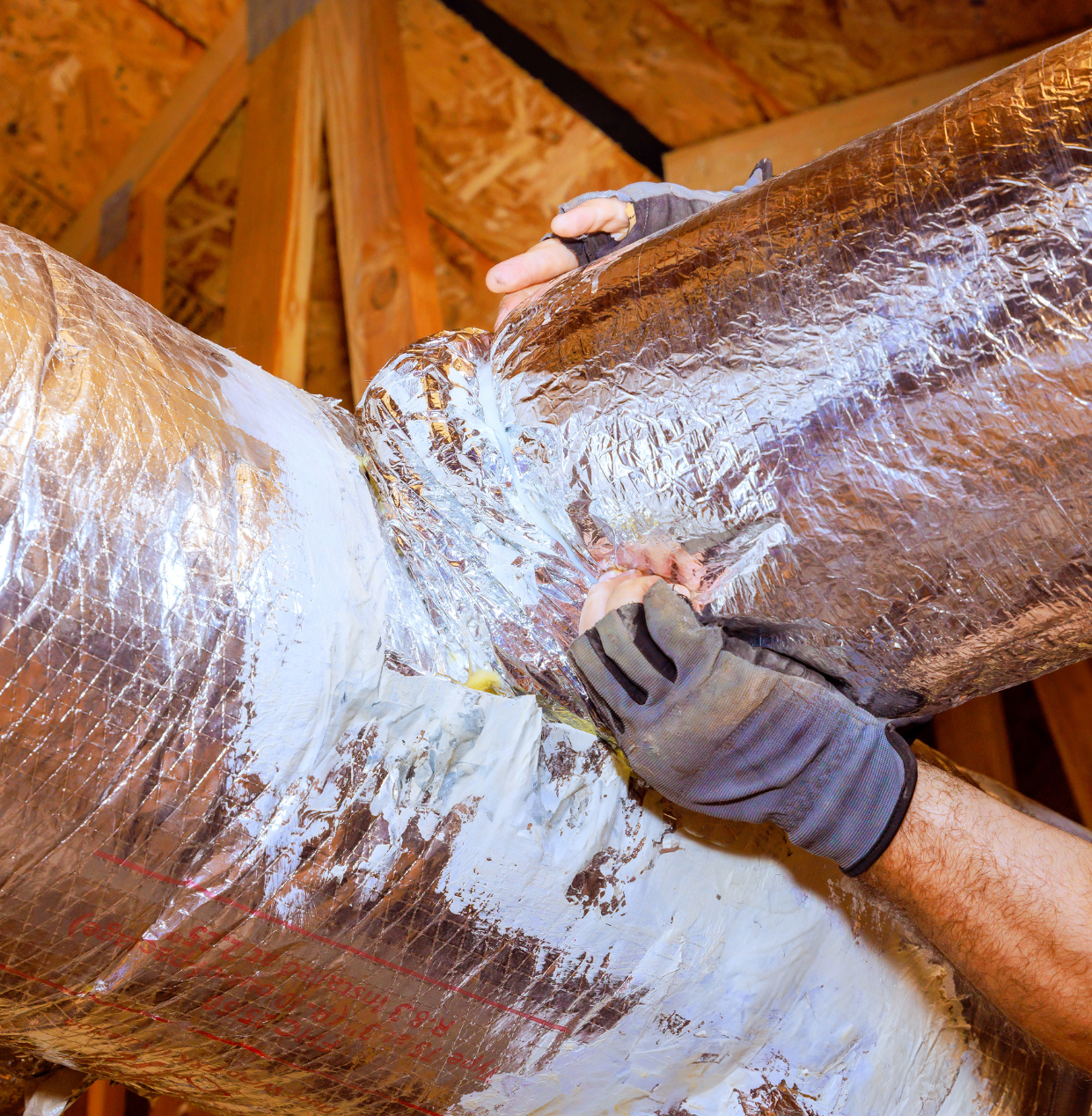
The first sign: what you see and hear after power returns
In my experience working AC service in Kansas City, the earliest clues are often audible. The key is to separate “it’s running” from “it’s actually doing the work of cooling.”
If the thermostat clicks to call for cooling and you hear the outdoor unit try to start but it quickly shuts down, that often points toward a start-up problem or a safety trip. If you hear the outdoor fan kick on but the compressor never engages, that can mean a capacitor, contactor, or compressor relay issue. If the compressor starts and runs but the air feels tepid, you may be looking at a refrigerant or airflow problem, or the unit might be running with a blocked condenser airflow path.
Sometimes the system starts normally and then stops after a short cycle. That’s frequently a high-pressure or temperature-related protection event. Outdoor coils can accumulate debris, and a sudden run after an outage may increase the heat load just enough to push the unit into a protective shutdown.
And then there’s the “nothing happens” scenario. After outages, homeowners often report that the thermostat display powers on but the unit does not. That can be a tripped breaker, a tripped disconnect, blown control fuse, wiring issue at the indoor control board, or a failed outdoor contactor. It can also be a thermostat issue, but that’s usually less common than the power-side causes.
If you’re troubleshooting, resist the urge to repeatedly flip breakers on and off. Many systems include short delay controls, and repeated resets can increase stress on components that are already on the edge.
When cooling comes back weak: common outage-related culprits
A power outage can be the trigger that makes an existing weakness more visible. A system that was nearing end of life, or had a slow refrigerant leak developing, may behave “fine enough” until the next restart event. Then the unit starts, but it can’t maintain cooling like it used to.
Here are a few of the culprits I see most often after outages:
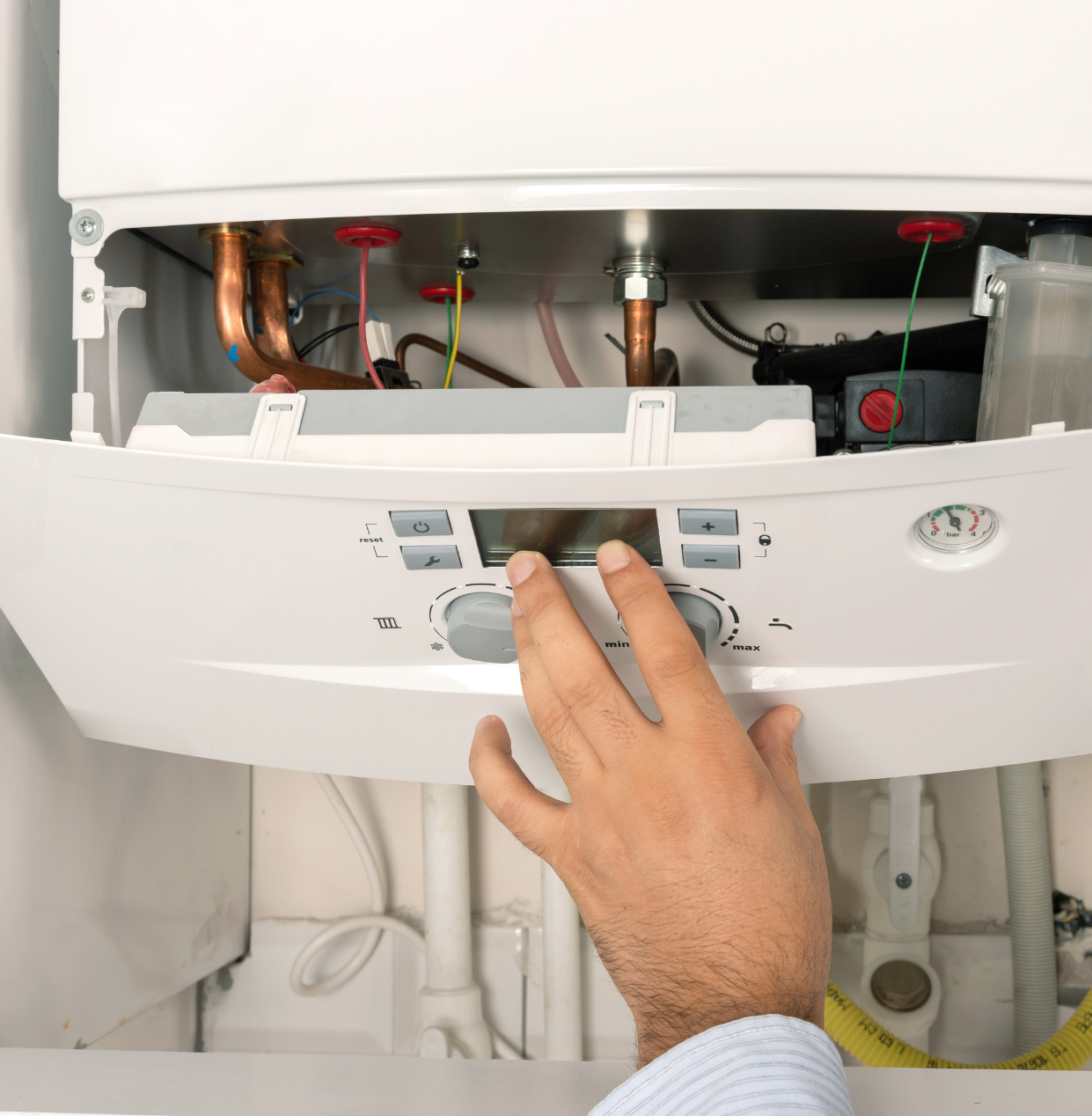
Capacitors that lost their margin
Capacitors are critical during motor start-up. They store the electrical energy needed to get motors spinning. When a capacitor weakens, the symptoms can be subtle. The unit may start once, fail to start after that, or start with a strained noise. Over time, the struggle becomes more obvious.
Capacitors are also influenced by age and heat. Kansas City weather swings are real. On a hot day, a tired capacitor can fail faster, and the outage stress can be the moment it finally tips.
Contactor issues at the outdoor unit
The contactor is basically the switch that brings power to the compressor. If it’s pitted or burned, it might still close, but it can’t deliver consistent power. After an outage, the timing of the contactor action matters. A contactor that’s slightly damaged might work during one startup, then trip or chatter during another.
A related problem is a loose or corroded connection. Electrical connections can loosen with vibration and repeated temperature expansion, and storms can add moisture to the mix.
Dirty indoor or outdoor airflow pathways
Airflow problems are not usually “created” by an outage, but an outage can expose a slow decline in system performance. A dirty return duct filter area, clogged indoor coil, or outdoor coil packed with debris can become a limiting factor once the unit is forced to run longer cycles to reach temperature.
If the outdoor unit runs while the indoor air feels warm, check the basics like filter condition first, but do not stop there. After an outage, the system may start in a different mode or run longer because indoor humidity is higher.
Safety sensor trips
Modern HVAC systems use sensors for temperature and pressure. If one sensor reads incorrectly, the control board may shut down as a protection measure. Sometimes sensors are fine until a power cycle resets a calibration. Other times, a sensor is already failing intermittently.
When this happens, a technician will typically check for proper voltage and readings rather than replacing parts randomly.
Quick checks homeowners can do safely
You can gather useful information without putting yourself in danger. Just keep it practical and safe, especially around electrical components and breaker panels.
Start with the thermostat and basic airflow. Make sure the thermostat is set to cool, fan is on auto, and the temperature setpoint is below the current room temperature. If the system has a washable or replaceable filter, check it. A filter that’s clogged can be the difference between a unit that cools and one that never seems to recover.
Then look at what the outdoor unit is doing. Is the outdoor fan spinning? Can you see any frost buildup on lines or the coil? Is there any unusual noise, like rapid clicking, or a humming sound that doesn’t lead to motor movement?
If the outdoor disconnect has a visible switch, you can verify it’s in the on position. Some homes have a separate disconnect near the outdoor unit. If the switch got bumped during storm cleanup, it can stay off even when your indoor lights and outlets are working.
Here’s the short version of what you should aim to notice, in plain terms:
- whether the outdoor fan runs when cooling is called
- whether the compressor starts at all
- whether the unit shuts down quickly or runs continuously
- whether indoor airflow is strong or weak
- whether any breakers or error lights show a fault
If you see a repeating cycle of start then rapid shutdown, that’s a strong sign to call HVAC repair in Kansas City MO rather than continuing to reset and test.
Why it’s not just a reset issue
It’s tempting to treat everything like a power glitch. Flip the breaker, turn the thermostat off, wait ten minutes, and try again. Sometimes that works, especially if the outage triggered a simple control reset.
But there’s a difference between a controlled restart and a system that is failing under load. If the unit can’t start due to a weak capacitor, a stuck contactor, or an electrical imbalance, resetting only delays the inevitable. Meanwhile, every attempt to start with a weak component increases heat and stress.
If your unit ran at all after the outage, but cooling never returned properly, that’s not a reset issue. Weak cooling after an outage often indicates airflow restriction, refrigerant imbalance, or a component that’s no longer performing like it should.
Even if the system eventually cools a room, reduced performance can still damage the system. Poor airflow can raise coil temperatures and lead to protective trips. Low cooling can keep the compressor cycling in a way that increases wear.
When you call an HVAC contractor in Kansas City MO, the value is not just replacing a part. It’s diagnosing what changed after the outage, and verifying the system is safe and stable to run.
The Kansas City reality: storms, humidity, and the added strain
Kansas City is not just hot. It’s hot and humid, and it has thunderstorms that can knock out power without warning. Those conditions matter for AC repair decisions.
A humid restart can cause the indoor coil to handle a higher latent load, meaning the system has to remove more moisture. If your airflow is restricted, the coil can get too warm and trip protection. If the indoor blower is underperforming, the whole system works harder for the same result.
Also, after a storm, debris around the condenser can shift. Leaves and small branches can block airflow. In some neighborhoods, the outdoor unit sits close to landscaping, and a gust can rearrange things enough that the condenser now has restricted intake.
I’ve seen cases where homeowners blamed the outage for weak cooling, but the real issue was a partially clogged outdoor coil or a slightly blocked intake that only became apparent after the storm rearranged debris. A technician checking the entire system, indoor and outdoor, will catch those “it looks fine from the porch” details.
A typical troubleshooting path a good tech follows
Not every shop works the same way, and you should always ask questions. Still, the best HVAC service calls follow a logical sequence, starting with safety, moving to symptom confirmation, and ending with targeted repairs.
After an outage complaint, a technician usually verifies the system’s electrical safety first. That includes checking breakers, disconnects, and control power. Then the tech will confirm the unit is actually receiving the proper call signal from the thermostat and that the outdoor unit responds correctly.
Next, they check for airflow and temperature performance. If the indoor blower is weak, or if the coil is dirty, refrigerant and compressor checks can become misleading until airflow is corrected. The outdoor coil condition matters too, especially if storm debris contributed to a restriction.
Then comes the component level testing, which might include measuring capacitor performance, checking contactor operation, inspecting wiring connections, and checking for sensor readings that correlate with actual temperatures.
If refrigerant is suspected, a technician will avoid guessing. Refrigerant issues are more complex, tied to leaks, airflow, and compressor performance. A reputable AC service approach keeps the diagnosis grounded in readings, not assumptions.
As a homeowner, you can help by providing what you observed right after the outage. Did the unit start normally for a few minutes then fail? Did it hum? Did the outdoor fan run? Did you smell something electrical? Those details narrow the field quickly.
Repairs that commonly follow outage-related symptoms
Repair needs vary by symptom, age, and the unit’s condition. I’ll keep this grounded in what typically comes up when a system is stressed by a power cycle and restart.
Electrical repairs and component replacements
If the outdoor unit tries to start but won’t, the likely candidates include a capacitor, contactor, or control board fault. Sometimes the fix is as straightforward as replacing a capacitor that no longer supplies adequate start-up energy. In other cases, wiring repairs or tightening/cleaning connections make the difference.
A blown fuse for the control circuit, a tripped safety switch, or a failing relay can also show up after power irregularities. A clean repair plan focuses on the specific electrical path that’s failing.
Airflow and coil cleaning
If the unit runs but cooling is weak, airflow problems are common. That can involve replacing a clogged filter, cleaning return air components, cleaning the evaporator coil, or removing debris from the condenser coil.
Airflow is where homeowners often lose weeks. They keep resetting and trying. Meanwhile, the system is doing what it can, but the airflow is not moving heat out of the home effectively. Once airflow is restored, cooling can return dramatically.
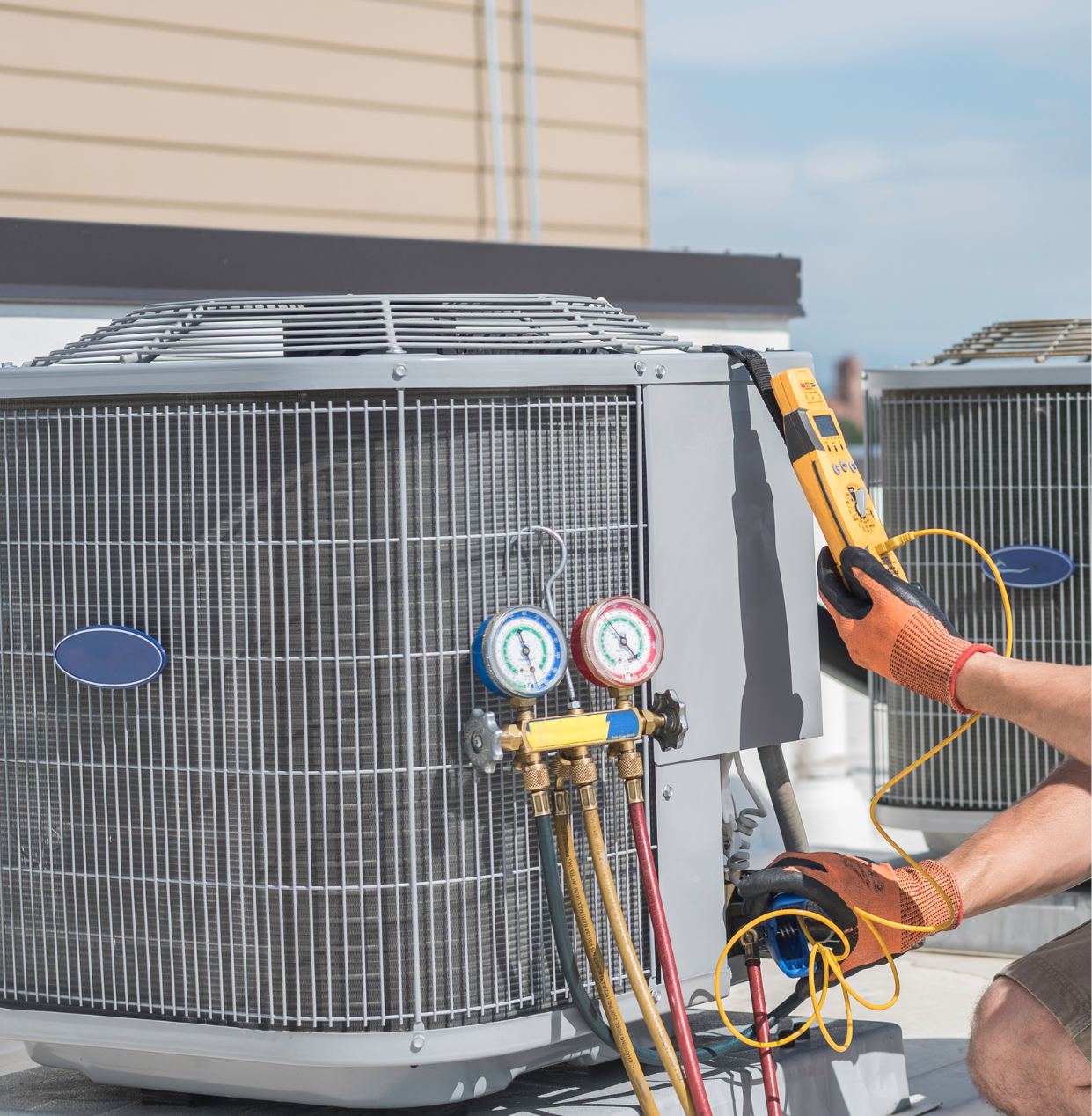
Refrigerant diagnostics
If you have poor cooling plus symptoms that suggest refrigerant imbalance, a technician may check for airflow, temperature split, and other indicators before touching refrigerant. If refrigerant work is needed, it should be tied to leak detection and repair, not just adding charge and hoping.
Because refrigerant issues can’t be confirmed reliably by “it’s cold near the vents” alone, professionals use measurements. The goal is to restore proper system balance and avoid repeat problems.
Thermostat or control signal issues
Sometimes the outage affects the thermostat configuration. Other times, a thermostat works but the indoor control board wiring connection got loose or damp after storm conditions. In rare cases, surge events can damage low-voltage components.
A good diagnostic approach checks signal paths and operation patterns instead of swapping parts blindly.
What to ask before approving HVAC repair
When you’re paying for AC repair in Kansas City MO, you deserve clarity. You don’t have to be a technician, but you can ask for the reasoning behind the recommendation. A solid HVAC contractor should explain what they found and what will be done.
Here are five questions that tend to uncover whether you’re getting careful work or rushed guessing:
- What symptom did you observe first, and how did you confirm it was tied to a specific component?
- Are you seeing electrical fault signs, like capacitor failure, contactor issues, or control power problems?
- Did you measure airflow and temperature performance before concluding anything about refrigerant?
- What is the repair plan, and what tests will confirm the system is operating correctly afterward?
- If we replace a part, what failure does it prevent, and what would indicate it’s not the right fix?
You can also ask about warranties and return visits. A repair that comes with a clear verification step is more reassuring than one that ends with “try it and see.”
Choosing between AC repair and AC replacement after repeated failures
Power outages often become the event that reveals a system is already near the end of its reliability. That’s where homeowners face a hard decision: keep repairing or plan for replacement.
There’s no one-size rule. A capacitor replacement or coil cleaning might be reasonable and affordable even if the system is older. On the other hand, if you’re facing multiple major repairs after the outage, or if the system struggles to cool even after restoring airflow and electrical health, replacement may start to make more sense.
A useful lens is frequency and cost trend. If repairs are stacking up and each one only restores partial performance, the risk rises that you’ll be paying again soon. If the unit is already having compressor or repeated electrical issues, the replacement conversation often becomes practical.
When a technician discusses options, look for the full picture. They should consider system age, efficiency, observed faults, and whether repairs would restore normal performance.
Prevention after an outage: how to reduce the next failure
After your system is back to cooling, you can take steps that reduce the chance of another “restart revealed the problem” scenario. Some of these are simple, others require a professional.
One of the biggest practical improvements is routine AC maintenance in Kansas City. Maintenance is where filters, airflow, electrical connections, and coil condition are checked before they become emergencies. A unit that is clean and properly charged can handle normal shutdown and restart events far better than a unit already running marginally.
Also consider surge protection. While surge protectors do not guarantee protection from every electrical issue, they can reduce the risk of damage to low-voltage components. Discuss options with your contractor if your home is in an area with frequent storms or if you’ve had electronics issues after outages.
Finally, keep outdoor clearance reasonable. After storms, take a quick look. If you see leaves, twigs, or anything obstructing airflow, remove it carefully. Don’t put hands on electrical components, but you can do basic exterior checks safely.
Real-world scenarios I’ve seen after blackouts
A homeowner once called because the AC ran, but the house never cooled past “barely comfortable.” The outdoor unit started, fan ran, and the thermostat stayed on. The homeowner had tried resetting the breaker twice. When the technician arrived, the indoor filter was badly restricted, and the evaporator coil showed signs of dust buildup consistent with months of limited airflow. The system could still run, but it was overheating and removing moisture poorly. After a cleaning and filter replacement, cooling improved quickly, and the system stopped short cycling. The outage did not magically create the problem, it was simply when the weakness became impossible to ignore.
Another case involved a unit that made a clicking noise AC repair in Kansas City MO All 4 One Heating & Cooling outside and then went quiet. The thermostat showed cooling was calling, but the compressor never truly engaged. The diagnosis pointed to a capacitor that had failed under stress. Replacing the capacitor restored normal start-up. The homeowner said the issue began right after a storm outage, but in reality, the capacitor likely had been drifting for a while and the restart pushed it over the edge.
Then there was a “fan only” symptom. The outdoor fan spun, but no compressor noise and no cooling response. In that situation, the technician checked contactor operation and control signals. The contactor was not switching power reliably. Once it was corrected, the compressor ran normally again. That’s the kind of failure that makes homeowners think “it’s broken for good,” but it’s often repairable once the right tests are done.
These stories have one thing in common: the system’s behavior after the outage gave enough information to narrow down likely causes. Resetting blindly tends to delay the real fix.
How to stay comfortable while repairs are scheduled
If your system is down after an outage, you may need temporary strategies to avoid heat stress. Keep it practical. Use ceiling fans to improve comfort, close blinds during peak sun, and focus on reducing heat gain in the rooms you use most. If humidity is high, a dehumidifier can help lower the “sticky” feeling, though it won’t replace AC performance.
If the outage also affected other equipment, be mindful of safety. Only troubleshoot what you can do safely, and avoid working on wiring or opening panels without proper training.
A professional HVAC team can usually restore operation with targeted repairs, but appointment times vary. Calling sooner rather than later helps, especially during stretches of extreme heat.
When you need AC repair in Kansas City MO, timing matters
After a power outage, the system can fail completely if a struggling component continues to be forced into startups. The longer you keep trying to “get it to run,” the more you risk turning a manageable repair into a bigger one.
If you notice repeated start-stop behavior, strange electrical noises, or weak cooling that never stabilizes, treat it like a real issue, not a temporary glitch. Contact an HVAC contractor in Kansas City MO who troubleshoots methodically and verifies performance after the repair.
And when you want to prevent the next failure, lean into AC maintenance in Kansas City. Clean coils, healthy filters, checked electrical connections, and proper airflow are boring until they matter. In Kansas City, they matter a lot.
When your air conditioner is working again, you’ll feel it right away, colder air, steadier cycles, and a home that holds temperature instead of fighting the heat minute by minute. That’s the outcome to aim for after a blackout, and it’s achievable when the repair is based on diagnosis, not guesswork.
All 4 One Heating & Cooling
5828 Woodland Ave, Kansas City, MO 64110, United States
816-699-8366
[email protected]
Website: https://all4onekc.com/